Corporate flower contracts for Notting Hill businesses
Posted on 10/10/2026
If you run a reception desk, a boutique hotel, a salon, a gallery, or a private office in W10, you already know the difference flowers can make. A fresh arrangement on the counter changes the whole feel of the room. It softens hard edges. It gives people something pleasant to notice the moment they walk in. That is exactly why corporate flower contracts for Notting Hill businesses are becoming such a practical, polished choice.
Done well, a flower contract is not a luxury add-on. It is a predictable service that keeps your workspace looking considered without adding one more task to an already busy week. In this guide, we will look at how it works, what to expect, how to choose the right setup, and where businesses in Notting Hill usually get the best value. A few things are surprisingly straightforward. A few things are easy to get wrong. Let's make it simple.
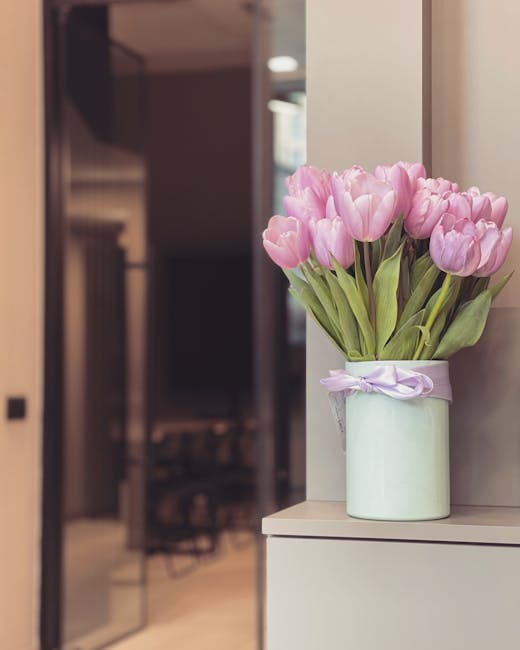
Why corporate flower contracts for Notting Hill businesses Matters
Notting Hill has a very particular business feel. It is stylish without trying too hard, busy but still personal, and full of spaces where presentation matters. That makes flowers more than decoration. They become part of the environment your clients, guests, and team experience every day.
A corporate flower contract is a recurring arrangement between a business and a florist or flower delivery service. Instead of ordering ad hoc bouquets whenever someone remembers, you agree a regular schedule, style, budget, and delivery process. The result is consistency. And in a place like Notting Hill, consistency matters because the area attracts customers who notice detail. They notice whether the foyer feels welcoming. Whether the meeting room looks cared for. Whether the shopfront has life in it.
There is also a quieter business reason. Flowers signal competence. Not in a flashy way. More in the way a clean window, a well-chosen chair, or a good scent in the hallway does. You may not have a client say, "I came because of the lilies," but you will absolutely have them remember the atmosphere. Truth be told, people often remember the room before they remember the pitch.
For local businesses, that is useful. Notting Hill offices and customer-facing spaces are often working with narrow layouts, natural light shifts, and high footfall. A smart floral contract helps you maintain a polished look without sending staff off to solve one more last-minute problem. That is no small thing on a Tuesday morning when the deliveries are late, the diary is full, and somebody has just asked where the spare charger is.
Expert summary: A good flower contract should make your space look better, save time, reduce admin, and feel effortless to maintain. If it adds stress instead of removing it, the setup needs adjusting.
How Corporate flower contracts for Notting Hill businesses Works
At its simplest, the process is straightforward. You choose the service level, agree on practical details, and then flowers arrive on a regular basis. But in practice, there are a few moving parts worth understanding before you sign anything.
1. The first brief
The florist usually starts by asking about your business type, room size, preferred colours, brand tone, and how often you want flowers replaced. A boutique hotel lobby in Notting Hill will need something different from a law office or co-working space. The first brief is where you set expectations. Be honest about what you need, not just what sounds lovely.
2. Style and budget planning
Good providers tend to work around a monthly or weekly budget, then translate that into arrangements that suit your space. Some businesses want a signature look. Others want seasonal variety. Some want a refined white-and-green palette. Others want something warmer and more eclectic. If you already know your brand colours, that helps. If not, a florist can usually build a calm, neutral scheme that works with most interiors.
3. Delivery and placement
Delivery can be weekly, twice weekly, or on another agreed rhythm depending on the contract. Placement matters too. A bouquet in a reception area is not the same as one in a boardroom or restaurant table setting. You want arrangements where they are seen, but not in the way. That balance sounds obvious, but it is exactly what separates a polished contract from a fussy one.
4. Refreshes, replacements, and care
Flowers are living things, so a contract should include refresh timing and what happens if an arrangement arrives damaged or does not hold up as expected. Some businesses prefer full replacement. Others prefer top-up visits or a vase refresh. For offices with little time to spare, a full-service approach is often easiest. No one wants to be the person trimming stems beside the coffee machine on a Friday afternoon.
5. Feedback and adjustments
The best contracts are not rigid. Seasons change, footfall changes, client events change. You might like peonies in spring but need longer-lasting stems during a busy event period. A proper service should allow for sensible adjustments. You do not want a one-size-fits-all plan when the whole point is to make the space feel considered.
Key Benefits and Practical Advantages
There are obvious benefits to corporate flowers, and then there are the slightly less obvious ones that matter just as much once the arrangement is in place.
- Consistent presentation: Your space always looks looked-after, even during hectic weeks.
- Less admin: No more last-minute searches for a florist when the lobby feels bare.
- Better first impressions: Useful for clients, guests, interviewees, and partners.
- Brand reinforcement: Florals can echo your tone, colour palette, or customer experience.
- Seasonal freshness: You can shift from winter whites to spring pastels or richer autumn tones.
- Time-saving convenience: The service runs in the background while your team gets on with work.
- Flexibility for events: Contracts can often be adapted for launches, meetings, or private functions.
There is also a morale effect, which people sometimes understate. In a busy workplace, a well-chosen arrangement can make the environment feel calmer and more humane. It is a small thing, but not really small at all. You notice it when you walk in from a grey London street and suddenly the room feels brighter. That matters on the days when everyone is slightly over it.
For customer-facing businesses, flowers can also support dwell time and comfort. In a waiting room, they soften the atmosphere. In a showroom, they add a lived-in, premium feel. In hospitality, they make the space feel intentional rather than transactional.
Who This Is For and When It Makes Sense
Corporate flower contracts are not only for big companies with glossy head offices. In Notting Hill, they make sense for a fairly wide mix of businesses. The key question is not "Are we large enough?" but "Would regular flowers improve the way people experience our space?"
Best suited to:
- Hotels and guesthouses
- Estate agents and property managers
- Beauty salons, spas, and clinics
- Restaurants, cafes, and private dining rooms
- Creative studios and agencies
- Co-working spaces and serviced offices
- Retail boutiques and showrooms
- Medical, wellness, and professional practices with reception areas
You might also benefit if your business hosts frequent visitors. A meeting room in constant use can look tired quite quickly, especially if the same furnishings are seen every day. Flowers interrupt that sameness. They give the eye a reset. They make the room feel cared for, even if the meeting itself is very much about spreadsheets and deadlines.
It may also make sense if your team simply lacks the time to manage this kind of detail. A lot of businesses know they want a nicer environment, but nobody owns the task. That is usually the sign a contract will help. If you keep meaning to order flowers "next week," this is probably for you.
When it may be less suitable
Some spaces do not need regular flowers every week. If your premises are rarely visited, or if your interior already changes often for events, a recurring contract might be unnecessary. In those cases, one-off seasonal orders or occasional statement pieces may be more efficient. No point paying for a rhythm you will not use.
Step-by-Step Guidance
If you are thinking about setting up corporate flower contracts for Notting Hill businesses, here is a sensible way to approach it.
- Define the purpose. Are you trying to improve reception, support branding, impress clients, or simply keep the space feeling alive?
- Map the locations. List the areas that need flowers: entrance, reception, meeting rooms, dining tables, washrooms, private offices, or event spaces.
- Set a realistic budget. Be clear about the spend range before you ask for proposals. That saves time for everyone.
- Choose frequency. Weekly, fortnightly, or seasonal. The right choice depends on the setting and how quickly the flowers need replacing.
- Request style examples. Ask for photographs or sample directions so you can judge whether the florist understands your look.
- Ask about vase hire, installation, and removal. These details affect both cost and convenience.
- Confirm delivery timing. In commercial settings, timing matters more than people expect. You do not want a delivery arriving during peak reception traffic.
- Agree a review period. A three-month trial is often more useful than locking into a long plan straight away.
- Build in feedback. Make it easy to say what is working and what is not.
A good contract should feel like a partnership, not a take-it-or-leave-it package. If you ask for a lighter arrangement in summer because the room is already warm and bright, the florist should be able to respond. If they cannot, that tells you something useful.
Expert Tips for Better Results
Here is where experience matters. The best corporate flower setups are usually the ones that think about the room, the business flow, and the practicalities, not just the flowers themselves.
Match the arrangement to the space
A large reception desk can handle height and shape. A smaller counter may need something lower and broader. Tall arrangements look impressive until they block sightlines or make conversations awkward. You want the flowers to frame the space, not boss it around.
Choose varieties that hold well
Some flowers last longer than others in office conditions. Heat, air conditioning, sunlight, and door traffic all affect lifespan. A florist working on contract should know how to balance beauty with staying power. It is not glamorous, perhaps, but longevity is part of the job.
Think in seasons, not just colours
Seasonal flowers often look more natural and can feel better value than forcing a year-round style that does not suit the moment. Spring looks different from late autumn. That is part of the charm. Let it change. Let it breathe.
Use fragrance carefully
Strong scent can be lovely in a lobby and irritating in a compact office or clinic. This is one of those things people forget until somebody gets a headache. If your business has close working conditions or visitors with sensitivities, choose subtly scented or unscented options.
Keep communication simple
One named contact, one approval process, one review point. Too many decision-makers can muddy the brief. And honestly, a three-person debate over whether the roses should be "more romantic" is how nothing gets done.
Practical tip: Ask for a "repeatable signature look" and a "seasonal variation plan." That gives you consistency without making everything feel identical month after month.

Common Mistakes to Avoid
The most common mistakes are usually easy to avoid once you know what to look out for. The trouble is, people only notice them after a few disappointing deliveries.
- Choosing only by price: Cheap is not always economical if the flowers look tired quickly.
- Ignoring the room conditions: Bright windows, drafty doors, and warm interiors all change how long flowers last.
- Giving a vague brief: "Something nice" is not enough if you want repeatable results.
- Overcomplicating the palette: Too many colours can make a corporate space feel messy rather than elegant.
- Forgetting care access: If staff cannot top up water or move arrangements safely, the design may not be practical.
- Not agreeing change terms: Make sure adjustments, skips, and replacements are covered.
- Ignoring delivery logistics: A beautiful arrangement can still be a nuisance if it arrives at the wrong time.
One of the more subtle mistakes is expecting the same arrangement to work forever. It will not. A winter scheme that looked crisp and sharp in January can feel cold and sparse by March. That is not the florist failing; it is simply nature doing its thing. A good contract should evolve.
Tools, Resources and Recommendations
You do not need a lot of equipment to manage a flower contract well, but a few simple tools help keep things smooth.
- A shared calendar: Track delivery days, review points, and any event-based changes.
- A style board: Collect photos, colours, and textures that match your brand tone.
- A room checklist: Note the size, light levels, and where arrangements will sit.
- Maintenance instructions: Keep care notes where the reception or office team can see them.
- Budget tracker: Helps you compare recurring flowers against one-off orders over time.
It can also help to browse a florist's broader product range before signing a contract. For example, reviewing their luxury flowers, all flowers, and flowers in a vase pages can give you a better feel for their style and whether it fits your business setting. If you are thinking about recurring gifting for clients or staff too, a page like corporate gifting may also be useful.
For operational support, the site's service information can be handy as well. The delivery page helps you understand logistics, while flower care is worth a look if your team will be handling any basic maintenance between visits. And if you want reassurance about service expectations, the guarantees page is usually a sensible place to check before committing.
If you are comparing providers, do not just look at photographs. Look at consistency. Look at whether they can handle simple repeats without making every delivery feel random. That is the real test. A pretty one-off is easy. Reliable professional service, week after week, that is the work.
Law, Compliance, Standards, or Best Practice
Corporate flower contracts are not usually heavily regulated in the way some other services are, but businesses should still apply normal UK commercial best practice. That means having a clear agreement on delivery frequency, payment terms, cancellation rights, replacement expectations, and what happens if the product arrives in poor condition.
If you run a workplace or customer-facing venue, you should also think about practical safety. Arrangements should not block exits, create trip hazards, or interfere with accessibility. This is especially important in reception areas, narrow corridors, or shared spaces. It sounds obvious, but it is easy to miss when you are focused on how nice the arrangement looks from the front door.
Allergens are another sensible consideration. Strong scents, pollen-heavy flowers, or large displays in compact rooms may not suit every environment. If your space receives a wide mix of visitors, a more restrained style is often safer and more comfortable. That is not about being bland. It is about being thoughtful.
There are also standard commercial expectations around transparent pricing and service description. If a provider says "weekly contract," you should be able to tell what that means in practice: delivery day, arrangement size, vase policy, seasonal variation, and replacement approach. If the details are fuzzy, ask again. It is better to ask a slightly awkward question now than to discover the answer after the first invoice.
For office-based organisations, basic sustainability practice may also matter. Reusable vessels, local sourcing where possible, and sensible packaging can all help align flower contracts with wider environmental goals. If your business already cares about these things publicly, it is worth making them part of the brief, not an afterthought.
Options, Methods, or Comparison Table
Not every business needs the same setup. In fact, the best option often depends on how much visibility the flowers have and how much coordination your team can spare.
| Option | Best for | Pros | Watch-outs |
|---|---|---|---|
| Weekly flower contract | Reception areas, hotels, clinics, premium offices | Fresh, consistent, easy to maintain | Higher ongoing cost than occasional orders |
| Fortnightly delivery | Smaller offices, quieter spaces, lower traffic areas | More economical, still professional | May not suit warm or busy rooms |
| Seasonal refresh | Businesses with event-led presentation needs | Flexible and cost-aware | Less consistent for daily client-facing spaces |
| One-off styling | Launches, private events, special meetings | Highly customisable | Requires more planning and manual ordering |
For many Notting Hill businesses, a weekly or fortnightly contract is the sweet spot. You get the visual impact without overbuying. But if your space is only busy on certain days, a more flexible rhythm may be the better commercial decision.
Case Study or Real-World Example
Picture a small design studio near the centre of Notting Hill. The team has a compact reception, two meeting rooms, and a shared kitchenette. They host clients several times a week, but the office is not huge. They used to buy occasional flowers from a local shop when someone remembered. Some weeks the space looked polished. Other weeks it looked bare and a bit forgotten.
They switched to a simple corporate flower contract: one arrangement for reception every week, with smaller companion pieces alternating between the meeting rooms. The palette stayed soft and contemporary, leaning into whites, greens, and one seasonal accent colour. Nothing overdone. Nothing shouty.
What changed? The client area felt more cohesive. Staff stopped worrying about last-minute purchases. The office manager had one contact, one schedule, and one place to request a change if a room was being used for a bigger meeting. During a busy period, they asked for a more durable arrangement rather than a delicate one. That small adjustment made the service work better for the business.
The useful lesson here is not that every office needs flowers everywhere. It is that the right contract turns flowers from a distraction into a quiet support system. The arrangement does its job. The team gets on with theirs.
Practical Checklist
Use this checklist before you confirm a contract. It keeps the process grounded.
- Have you identified the exact areas that need flowers?
- Do you know your preferred budget range?
- Have you decided on weekly, fortnightly, or seasonal delivery?
- Is the style aligned with your brand or interior?
- Have you considered fragrance, allergens, and room size?
- Do you know who will receive deliveries and sign them off?
- Have you checked what happens if flowers arrive damaged?
- Is vase hire or return included?
- Have you agreed a review period?
- Can the florist adapt for events, holidays, or one-off changes?
- Have you reviewed terms, payment, and cancellation arrangements?
- Do you have a named contact for feedback?
If you can tick most of those off, you are already ahead of many businesses that jump in too quickly and then spend the next month untangling details. A little preparation goes a long way.
Conclusion
Corporate flower contracts for Notting Hill businesses work best when they are treated as part of the customer and workplace experience, not just as decoration. The right arrangement can make a reception feel warmer, a meeting room feel calmer, and a brand feel more considered. In a district where visual detail matters, that is a meaningful advantage.
Keep the brief clear. Choose a provider that understands both flowers and logistics. Think about the realities of your space, not just the ideal version of it. And give yourself permission to start simply. A small, well-run contract is often better than an elaborate plan nobody has time to maintain.
Get a free quote today and see how much you can save.
If you are ready to make your space feel more welcoming, more consistent, and just a little more special, a thoughtful flower contract is a strong place to begin. Sometimes the smallest details carry the biggest sense of care.
Frequently Asked Questions
What is a corporate flower contract?
A corporate flower contract is a regular service where a business receives flowers on an agreed schedule, usually weekly, fortnightly, or seasonally. It helps maintain a professional look without needing repeated one-off orders.
Why do Notting Hill businesses use flower contracts?
Many Notting Hill businesses want their spaces to feel polished, welcoming, and on-brand. A contract keeps the presentation consistent, which matters in customer-facing settings and premium office environments.
How often should flowers be replaced in an office?
That depends on the room, temperature, sunlight, and how busy the space is. Weekly is common for high-traffic or warm areas, while quieter spaces may do well with fortnightly delivery.
Are corporate flower contracts expensive?
They can be tailored to different budgets. The cost depends on size, frequency, flower choice, and whether extras like vase hire or installation are included. A good florist should help you match the service to your budget.
What kind of businesses benefit most from this service?
Hotels, salons, offices, boutiques, restaurants, estate agencies, and wellness practices often benefit most because flowers improve first impressions and customer comfort.
Can I choose the colours and style?
Yes. Most contracts are built around your brand, interior, and preferences. You can usually request specific colours, a seasonal look, or a more neutral style.
What if I need flowers for a special event?
Many contract florists can adapt for launches, client events, private dinners, or seasonal celebrations. It is best to mention event needs early so they can plan around them.
Do flower contracts include vases?
Sometimes, yes. Some services include vase hire or a set of reusable vessels, while others charge separately. Always check this before agreeing the arrangement.
How do I know if a flower contract is the right fit?
If your business hosts visitors regularly, values presentation, or keeps meaning to order flowers but never quite gets around to it, a contract is often a good fit. It should save time and improve consistency.
What should I ask before signing up?
Ask about delivery timing, replacement policy, cancellation terms, budget flexibility, vase arrangements, and how changes are handled. Clear answers now prevent frustration later.
Are there any compliance issues to think about?
Mainly practical ones. Flowers should not block walkways or exits, and scents or pollen should be considered if your space has visitors or staff with sensitivities. It is also sensible to get clear written terms for service and payment.
Can a corporate flower contract be flexible if my business changes?
Yes, good providers can usually adjust frequency, style, or delivery details as your needs change. That flexibility is important because business rhythms are not static. They never are, really.