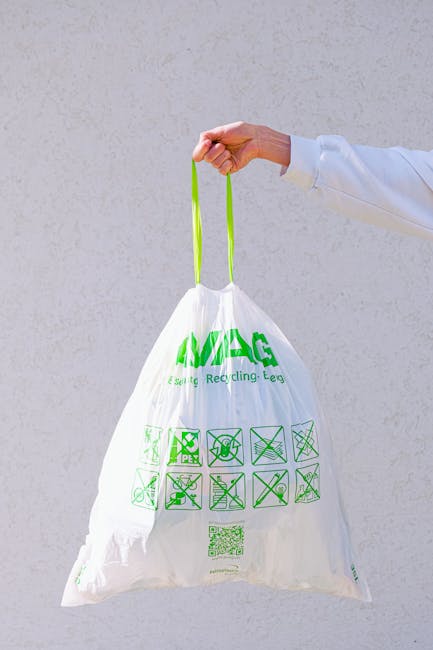
Bulky bouquet disposal in Notting Hill: where to recycle
Posted on 01/06/2026
If you've ever stood in your kitchen with a tired, oversized bouquet after an event, you'll know the feeling: beautiful flowers, awkward stems, damp paper, ribbon everywhere, and no obvious place to put the lot. Bulky bouquet disposal in Notting Hill: where to recycle is one of those practical questions that sounds small until you're carrying a soggy armful down the street. The good news? You usually do not need to bin everything together. With a little sorting, most bouquet waste can be separated into recyclable, compostable, and residual parts. This guide walks you through the simplest local approach, what to watch out for, and how to avoid the usual mistakes.
In a neighbourhood like Notting Hill, where flats are compact and waste space is limited, being a bit methodical matters. And yes, it can feel mildly annoying on a rainy Tuesday evening. But once you know the routine, it's straightforward enough.
Table of Contents
- Why bulky bouquet disposal matters
- How recycling and disposal works in practice
- Key benefits and practical advantages
- Who this is for and when it makes sense
- Step-by-step guidance
- Expert tips for better results
- Common mistakes to avoid
- Tools, resources and recommendations
- Law, compliance, standards and best practice
- Options, methods and comparison table
- Case study or real-world example
- Practical checklist
- Conclusion
- Frequently asked questions
Why Bulky bouquet disposal in Notting Hill: where to recycle Matters
Large bouquets are not just "flowers." They're a mixed bundle of materials: cut stems, foliage, florist foam sometimes, paper sleeves, plastic wrap, tape, ties, water picks, and the occasional decorative wire. That mix is exactly why bulky bouquet disposal in Notting Hill deserves a proper plan rather than a quick shove into the nearest bag.
When bouquet waste is sorted well, you reduce contamination in recycling, keep compostable material out of landfill, and make your flat or workplace feel less cluttered. If you're managing flowers after a wedding, event, memorial, or simply a lavish delivery from a local florist in Notting Hill, the waste volume can be surprising. It looks light. Then you start peeling back wrapping and somehow it becomes three separate bags.
There's also a hygiene angle. Old flowers can go slimy quickly, especially in warm rooms or if they've been standing in water. In a busy London household, that's not ideal. A bit of prompt disposal stops odour, drips on the floor, and the sort of kitchen smell that makes you open every window at 7am.
And let's be fair: people often want to do the right thing, but they don't know which parts can be recycled and which parts cannot. That uncertainty is normal. The trick is to break the bouquet down into manageable pieces.
How Bulky bouquet disposal in Notting Hill: where to recycle Works
The simplest way to think about bouquet disposal is this: separate first, dispose second. Once you split the bouquet into its main material groups, the right route becomes much clearer.
1. Organic flower material
Fresh flowers, leaves, and soft stems are typically compostable in principle, but what happens next depends on where you live, what your waste service accepts, and whether the bouquet contains any non-organic additions. In some homes, garden waste collections or household composting may be the best route. If you don't have access to composting, these materials usually end up in general waste after contamination risks are considered.
2. Paper and card wrapping
Plain paper and simple card sleeves are often recyclable if they are clean and free from glitter, lamination, sticky tape, or heavy moisture. Once paper is soaked through with vase water or flower sap, it can become a problem. Dry and clean is the golden rule. Anything fancy, coated, or heavily decorated is more questionable.
3. Plastic film, ribbon, and ties
Most bouquet film, ribbons, and plastic stem ties are not curbside-recyclable in standard household systems. They should usually be removed and put in the appropriate residual waste unless your local recycling guidance specifically says otherwise. This is one of the most common trip-ups.
4. Foam and florist mechanics
Florist foam, small plastic picks, and water reservoirs are generally not recyclable through household recycling. Foam in particular is a notorious contaminant, so separate it carefully. If you're dealing with event flowers or tribute arrangements, this step matters even more.
If you've ordered flowers from a service such as flower delivery in Notting Hill or same-day flower delivery, you may also receive sturdier packaging. That packaging can often be reused or recycled more easily than the bouquet itself. The flowers are only part of the story.
Key Benefits and Practical Advantages
Doing bouquet disposal properly is not about being precious. It's about making the waste stream cleaner and your life easier.
- Less contamination: clean recyclables are far more likely to be accepted than wet, flower-covered packaging.
- Fewer smells and mess: separating bouquet components early helps stop drips, mould, and the odd bruised-petal paste that appears overnight.
- Smarter use of space: compact Notting Hill homes and shared bins benefit from smaller, better-sorted waste.
- Better compost outcomes: natural flower matter can be handled more usefully if it's kept separate from plastic and wire.
- Cleaner event close-down: for weddings, shops, or offices, a structured sort-down saves time and looks more professional.
There's another practical win: when you know which parts can be reused, you often waste less in the first place. Flower buckets, card sleeves, even some decorative containers can be kept for another use. If you're someone who sends or receives bouquets often, that little habit adds up. A lot.
Who This Is For and When It Makes Sense
This topic is relevant to a surprisingly wide mix of people.
- Householders clearing out a large birthday, anniversary, or "just because" bouquet.
- Tenants and flat-sharers dealing with limited bin space.
- Office managers handling reception flowers or post-event arrangements.
- Wedding couples and planners clearing bridal bouquets, table flowers, and ceremony arrangements.
- Bereaved families looking after funeral flowers respectfully and carefully.
- Florists and event teams who need a quick, tidy, repeatable method.
It makes sense whenever the bouquet is too large, too wet, or too mixed-up to throw away casually. If you've got roses with thick wrapping, lilies in a sleeve, or a mixed arrangement with foam and ribbon, sorting it properly is worth the extra five minutes.
Notting Hill also has a particular rhythm: people move fast, curb space is tight, and recycling mistakes are easy to make. So a bit of clarity is genuinely useful.
Step-by-Step Guidance
Here's the cleanest way to handle bulky bouquet disposal without overthinking it.
- Take the bouquet apart on a flat surface. A table or worktop is ideal. Keep a bowl or tray nearby for loose bits.
- Remove all non-plant materials first. Pull off ribbon, plastic sleeves, tape, string, tags, and decorative wire.
- Separate flowers and stems from packaging. Put the organic material in one pile and the clean paper/card in another.
- Check for foam or water picks. These should not be mixed with paper recycling.
- Dry any recyclable paper. If it's soaked, stained, or torn to pieces, it may no longer be suitable for recycling.
- Decide whether the plant matter can be composted. If you compost at home, or have a suitable garden waste option, this is usually the best route.
- Dispose of non-recyclables responsibly. Put contaminated film, tape, and foam into general waste unless local instructions say otherwise.
One small but helpful habit: leave the bouquet out for an hour or two before breaking it down, especially if it's very wet. That lets excess water drain and makes the sorting less messy. Nobody enjoys a dripping pile of rose leaves sliding across the counter. Nobody.
Expert Tips for Better Results
From a practical point of view, the biggest gains come from reducing contamination. That's really the game.
- Use a "clean first" rule. Recyclable paper should be dry, free from glue blobs, and not tangled in stems.
- Don't assume glossy means recyclable. Many shiny bouquet wraps are plastic film in disguise.
- Keep foam separate immediately. If florist foam breaks apart, it gets everywhere and becomes harder to manage.
- Reuse sturdy wraps where possible. A decent kraft sleeve or box insert can often be saved for later gift wrapping or storage.
- Think in batches. If you regularly receive flowers, create one little sorting system at home: compostable, recyclable, and residual. It takes the friction out of the process.
If you also care about sustainability in what you buy, it helps to choose bouquets with less plastic from the outset. A number of customers who use sustainable floristry practices make that an explicit part of their decision. Less packaging in, less sorting out later. Simple, really.
A quick real-world note: the neatest disposals we see tend to come from people who separate flowers as soon as they start to wilt. Waiting until everything is collapsed into one damp heap makes the job feel twice as big.
Common Mistakes to Avoid
Most bouquet-disposal mistakes are easy to prevent once you know what they are.
- Putting everything into mixed recycling. Wet stems and plastic ribbon can spoil an otherwise recyclable batch.
- Forgetting hidden materials. Water tubes, foam, wire, and stickers often hide inside large arrangements.
- Recycling soggy paper. If the wrapping is damp and stained, it may be rejected.
- Leaving bouquets in a warm room too long. That tends to create smells and leaks.
- Assuming all flowers can be composted. Not all arrangements are suitable if they contain non-organic bits or treated materials.
- Overfilling household bins. In flats, bulky waste should be broken down before collection day if possible.
Another common one? People keep the ribbon because it looks "too nice to throw away," then it sits in a drawer for six months. Not a disaster, just very human.
Tools, Resources and Recommendations
You do not need specialist equipment to deal with bouquet disposal, just a few basic things that make the job smoother.
- Kitchen scissors or a small secateur: useful for cutting ties and separating thick stems.
- One compost or food-waste caddy: if your household system accepts plant matter.
- One dry paper bag or cardboard tray: to keep clean recyclable paper separate.
- A small box for non-recyclables: ribbon, foam, clips, and plastic pieces can go here before final disposal.
- Rubber gloves: handy for very soggy flowers or bouquets that have been in water a while.
If you are choosing flowers with disposal in mind, it may help to think ahead to the packaging. Some arrangements from flower shops in Notting Hill are presented in simpler wrap styles that are easier to break down afterwards. It's a small thing, but in practice it reduces waste and saves time.
For buyers who like straightforward delivery and fewer complications, services such as next-day flower delivery and flowers by post can be useful because the packaging is often standardised. Standardised packaging is easier to sort. Less guesswork, fewer leftovers.
Law, Compliance, Standards, or Best Practice
For most households, bouquet disposal is a practical waste-sorting task rather than a legal issue. That said, there are a few sensible UK best-practice points worth keeping in mind.
First, household recycling systems vary by borough and by waste stream, so the safest approach is to follow the local rules that apply to your property. In a shared building, the building manager or waste signage may also set the standard. If you're unsure, treat contaminated packaging conservatively rather than risking a whole recycling load.
Second, florist foam, mixed plastics, wires, and glued decorative elements should not be guessed into recycling. If it is not clearly accepted, it should stay out. That sounds cautious because it is cautious. Better cautious than contaminating a full bin.
Third, if you are disposing of funeral flowers, workplace arrangements, or large event installations, there is a basic duty of care to keep the space tidy and safe. That means not leaving stems where people can slip, and not dumping wet organic material in a shared corridor or pavement area. For event teams, good practice is to bag, sort, and remove waste promptly.
If you're ordering flowers for a business, some customers look at corporate accounts to keep regular flower orders simple and traceable. That doesn't solve disposal by itself, of course, but it does help organisations plan their deliveries, packaging, and waste routines more neatly.
Options, Methods, or Comparison Table
There isn't one single answer for every bouquet. The right method depends on what the bouquet is made of and how much time you have.
| Option | Best for | Pros | Watch-outs |
|---|---|---|---|
| Home sorting + recycling | Most household bouquets | Cheap, tidy, flexible | Requires separating mixed materials carefully |
| Composting organic flower matter | Fresh stems, leaves, petals | Good for plant-based waste | Not suitable for foam, wire, or treated decorations |
| General waste for contaminated parts | Foam, ribbon, sticky film, soaked paper | Simple and safe when recycling is not appropriate | Less environmentally efficient than composting or recycling |
| Reuse of packaging | Clean kraft paper, boxes, card sleeves | Reduces waste before disposal | Only works if materials stay clean and dry |
If your bouquet came with extras like a card or add-on gift, it can be worth sorting those separately too. A note tucked into a bouquet may be recyclable if it's paper-based and clean; a laminated insert usually is not. For gift occasions where you expect a lot of packaging, browsing categories such as birthday flowers or wedding flowers can give you a feel for which arrangements are likely to include more decorative material.
Case Study or Real-World Example
A common Notting Hill scenario goes like this: a customer receives a big mixed bouquet on a Friday evening, complete with cellophane, a ribbon band, a water tube, and a thick paper wrap. By Sunday morning the flowers are finished and the whole thing looks like too much to deal with.
Instead of binning it whole, they lay it out on the counter. First the ribbon goes into residual waste. Then the plastic sleeve and the water tube are removed. The clean cardboard tag and outer sleeve are kept aside. The flowers and stems go into a separate compostable bag or green-waste route where available. What's left is a much smaller set of materials, and the recycling bin stays clean.
The difference is not dramatic in a cinematic way. It's more practical than that. The flat smells better, the bags are lighter, and nothing drips through the kitchen bin liner. On a busy weekday morning, that matters.
We've also seen the same approach work well after events. A reception team clears table flowers at the end of the day, saves a handful of decent cards or sleeves for reuse, and removes the rest in one tidy pass. No fuss. No mystery heap in the back office.
Practical Checklist
Use this quick checklist when you're clearing a bulky bouquet.
- Have I removed all ribbon, wire, tape, and plastic wrap?
- Is the paper wrap dry and clean enough to recycle?
- Have I separated stems, petals, and leaves from packaging?
- Did I spot foam, water picks, or small plastic holders?
- Do I know whether the flower matter can go to compost or garden waste?
- Have I kept contaminated items out of recycling?
- Have I checked for anything reusable before I throw it away?
- Is my waste bag sealed and ready for collection?
Expert summary: The cleanest bouquet disposal method is usually the simplest one: separate the organic material, keep clean paper apart, and treat plastic, foam, and wet contamination as non-recyclable unless your local guidance says otherwise.
Conclusion
Bulky bouquet disposal in Notting Hill: where to recycle is really about sorting smartly rather than throwing everything away at once. Once you separate the flowers, paper, plastics, and foam, the process becomes much less awkward and a lot more responsible. That's the heart of it.
If you're clearing flowers from a home, office, wedding, or memorial, take the extra minute to sort materials properly. Your bins stay cleaner, recycling stays cleaner, and the whole job feels less like a chore. In a dense area like Notting Hill, that kind of small efficiency counts.
Get a free quote today and see how much you can save.
And if you're planning your next bouquet with waste in mind, the best kind is often the one that looks beautiful, travels well, and leaves less mess behind. Nice flowers, less fuss. Hard to argue with that.
Frequently Asked Questions
Can I put a whole bouquet in the recycling bin?
Usually no. A whole bouquet is a mix of materials, and the plastic wrap, ribbon, wire, or foam can contaminate the recycling. It's better to separate it first.
Where can I recycle flower packaging in Notting Hill?
Clean paper or card wrapping may be recyclable, but only if it is dry and free from heavy contamination. Plastic wrap, ribbon, and florist foam generally should not go into household recycling unless your local guidance clearly says otherwise.
Are flower stems compostable?
Fresh stems, leaves, and petals are often compostable in principle. The important part is keeping them separate from plastic, tape, and other non-organic materials.
What should I do with wet bouquet paper?
If the paper is soaked, torn, or heavily stained, it may no longer be suitable for recycling. In that case, it is safer to dispose of it with general waste rather than risking contamination.
Is florist foam recyclable?
In most household systems, no. Florist foam is typically not accepted in standard recycling, so it should be kept out of the recycling stream.
How do I dispose of a bulky bouquet after a wedding or event?
Break the arrangement down into plant matter, recyclable paper, and residual waste. Larger event arrangements often contain more ties, tape, and structural materials, so take a little more time with the sorting.
Can I reuse bouquet wrapping?
Yes, if it is clean and dry. Kraft paper sleeves, card tags, and sturdy boxes can often be reused for gifts, storage, or crafting.
What is the easiest way to avoid messy bouquet disposal?
Sort the bouquet as soon as you finish enjoying it, before stems start leaking or paper becomes soggy. That one habit makes the whole process much easier.
Do funeral flowers need special handling?
They deserve careful handling and prompt removal, especially in shared spaces. The disposal method is often the same sorting approach, but with extra attention to tidiness and respect.
What if I live in a flat with limited bin space?
Separate the bouquet immediately and keep each material type in a small, sealed bag until collection. That reduces odour and helps stop everything from becoming one wet lump in the kitchen.
Can I compost bouquet flowers at home?
Often yes, if the flowers are natural and free from non-organic materials. Avoid composting ribbon, plastic, foam, and anything treated with glitter or synthetic decoration.
Why does bouquet waste matter so much in London flats?
Because mixed waste fills up fast, smells quickly, and is easy to contaminate. A little sorting keeps your home cleaner and makes recycling more effective.